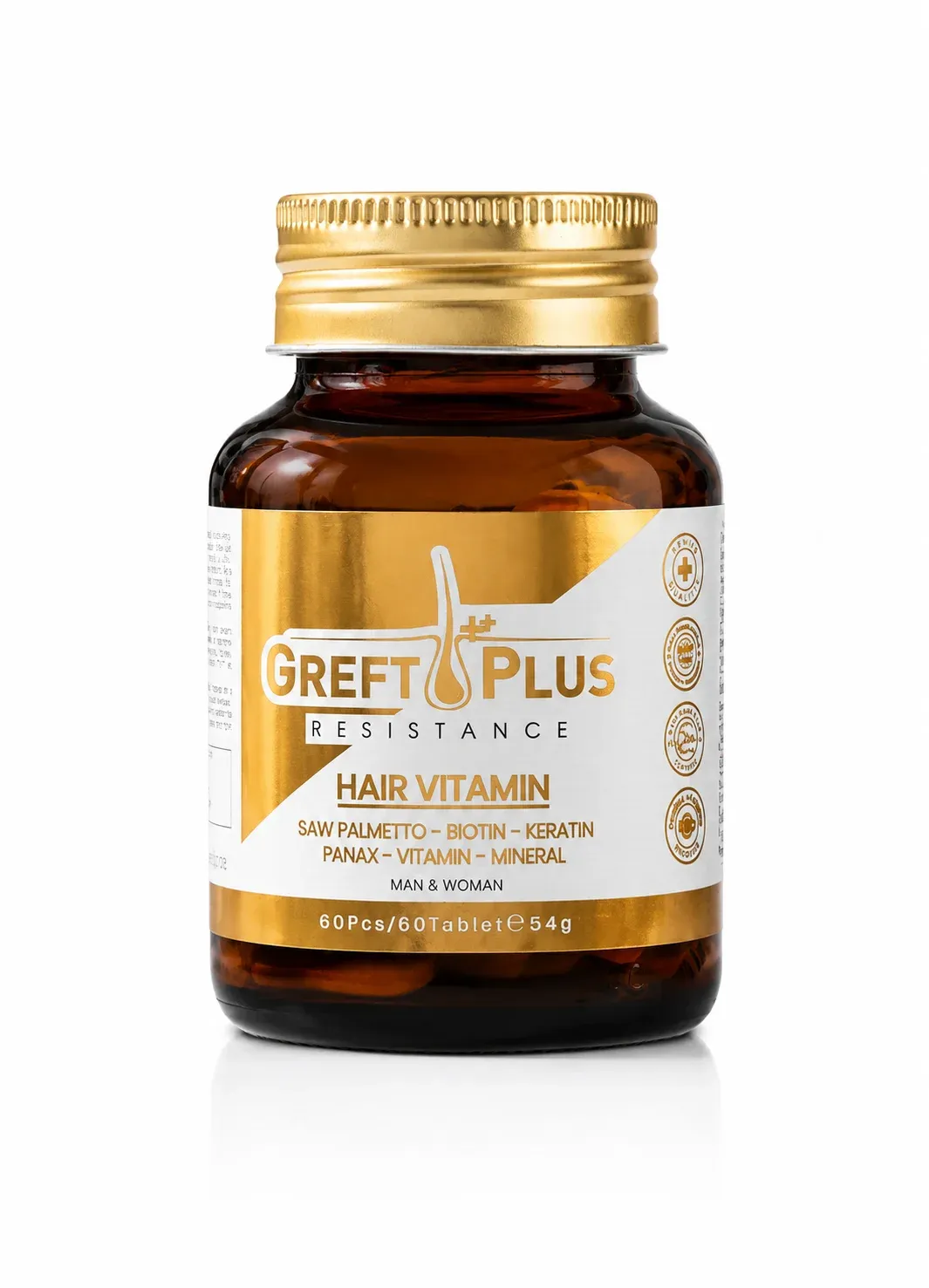
Foam Shampoo After a Hair Transplant and Why It Matters
If you've just had a transplant, a foam shampoo is usually the safest way to clean the area in those first fragile weeks. The foam sits on the scalp and lifts away crusting and oil without the rubbing, scrubbing or pressure that a normal liquid shampoo tempts you into. Less friction means less risk to grafts that haven't properly anchored yet.
I've watched a lot of people panic in the shower on day three or four, staring at little crusts forming around each graft, terrified to touch anything. That fear is understandable. But leaving the scalp dirty isn't the answer either. This is exactly the gap a good foam shampoo fills.
Why is foam shampoo better after a transplant?
The short version is control. A pump of foam is already whipped and diluted, so you apply it exactly where you want it and let it do the work. You're not lathering, you're not massaging in circles, and you're not tipping a bottle over your head and hoping.
Here's what the format actually helps with in the early days:
- Gentle crust removal. The foam softens the little scabs around grafts so they release naturally over the days that follow, instead of you picking at them.
- Less mechanical stress. No hard rubbing, which is the main thing that dislodges a graft before it's secure.
- Moisture balance. A well-made post-transplant foam is designed for a delicate, healing scalp, so it tends to be milder than an everyday shampoo.
A dedicated kit like the Greft Plus Post-Hair-Transplant Wash Kit, which pairs a foam shampoo with a foam lotion, is built around this exact situation. The lotion softens crusting first, the foam cleans, and neither one asks you to be rough with the area.
How do you use foam shampoo on new grafts?
Most clinics give you a schedule, and you should follow theirs first. But the general approach looks like this:
- Apply the foam lotion (if your kit includes one) and leave it on the recipient area for the time your clinic recommends, often around 15 to 30 minutes, to soften crusts.
- Rinse very gently with lukewarm water, letting it fall over the scalp rather than blasting it.
- Work a little foam shampoo into your palms, then dab it onto the scalp with flat fingertips. No circular scrubbing.
- Rinse again gently and pat, don't rub, with a clean towel or let it air dry.
Water temperature matters more than people think. Hot water feels nice but it irritates an already sensitive scalp. Keep it lukewarm. And keep the pressure low. If you can feel the water drumming on your head, it's too strong for now.
How long should you stick with foam shampoo?
Usually the first two to three weeks, or for as long as your clinic advises. Once the crusts are gone and the scalp has calmed down, you can move to a gentler daily routine. If you want the full day-by-day breakdown, our guide on how to wash your hair day by day after a transplant walks through the whole timeline.
What about dryness and flaking?
Very common, and honestly a bit alarming the first time you notice it. The recipient area often feels tight, dry, and flaky as it heals. That's the skin renewing itself. What you don't want to do is scratch or peel it.
A foam format helps here because it doesn't strip the scalp the way harsher shampoos can. If dryness and sensitivity are really bothering you, something like the Greft Plus Scalp Repair Cream, with panthenol and chitosan, can help support the scalp's moisture balance and soothe that tight feeling during the healing window. It's a support product, not a cure, so give it time and stay consistent.
One more thing people forget. Your existing hair around the transplant zone still needs care too. A foam like the 2-in-1 lotion and shampoo works well beyond the recipient site for keeping the whole scalp clean and comfortable.
When can you go back to normal shampoo?
When your scalp is calm, the crusts have cleared, and your clinic gives you the green light. There's no fixed date that fits everyone, because healing speed varies. Rushing it is the classic mistake. I'd rather you spend an extra week on the gentle routine than dislodge a graft trying to feel normal again.
After that transition, the focus shifts from protecting grafts to feeding and strengthening the hair that grows in. That's a different job, and it's worth understanding the vitamins and minerals behind it. Which is exactly what the companion piece covers.
A few honest expectations
Foam shampoo won't make hair grow faster. What it does is remove one of the biggest avoidable risks in the early days, which is aggressive washing. Get that part right and you give your grafts the calm environment they need to settle.
Be patient, be gentle, and when in doubt, message your clinic. They've seen your scalp and they know your case. A good aftercare routine is boring by design, and boring is exactly what you want right now.
Perguntas frequentes
- Is foam shampoo safe for a fresh hair transplant?
- Yes, foam shampoos designed for post-transplant care are among the gentlest options because they clean without rubbing or pressure. Always follow the specific schedule your clinic gives you first.
- How do I remove crusts after a hair transplant?
- Soften them first with a foam lotion or lukewarm water, then let them release naturally over several days. Never pick or scratch the crusts, as this can dislodge grafts.
- How long should I use foam shampoo after a transplant?
- Usually the first two to three weeks, or as long as your clinic recommends. Once crusting has cleared and the scalp has settled, you can move to a gentler daily routine.
- Why is my scalp so dry and flaky after a transplant?
- Dryness and flaking are normal as the skin renews during healing. A gentle foam shampoo and a soothing scalp cream can help support moisture balance, but avoid scratching or peeling the area.