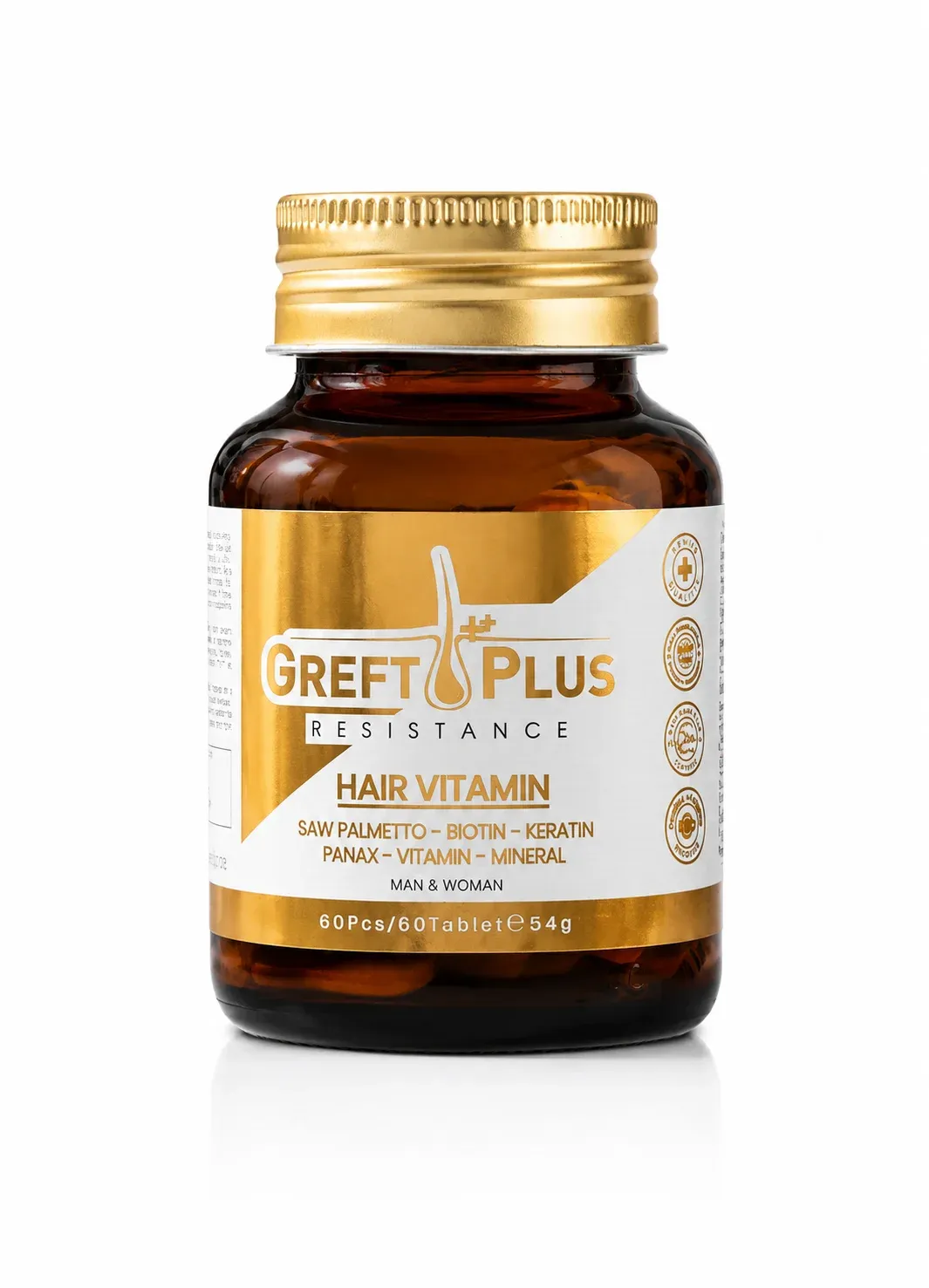
Hair Loss Spray and How to Use One That Actually Helps
A hair loss spray is a leave-on scalp treatment you apply to damp or dry hair to support the scalp and existing strands between washes. Used correctly and consistently, it can be a genuinely useful part of a daily routine. Used like a body mist over your hair, it does almost nothing. The difference is entirely in the application.
That's the honest starting point, because most people who tell me a spray "didn't work" were spraying it onto their hair instead of their scalp. The follicle lives in the scalp. Coating the mid-lengths is a waste of good product.
What does a hair loss spray actually do?
A well-formulated one delivers active ingredients directly to the scalp in a light, fast-drying form that doesn't leave hair greasy. The good ones combine vitamins, minerals and botanical extracts with ingredients chosen to support the scalp environment where hair grows.
What it can realistically do:
- Support the daily care of the hair and scalp
- Help active ingredients make effective contact with the skin
- Complement a routine that supports the scalp's natural micro-circulation
- Fit into a busy day, since there's no rinsing and no mess
What it can't do is override genetics or replace medical treatment for advanced loss. It's a supportive, cosmetic step, not a cure. Anyone promising regrowth from a bottle of spray is overselling.
Who should be using one?
Sprays suit a few situations really well. If your hair is fine or you're in the early stages of thinning, a spray is an easy way to add a daily supportive step without changing your whole routine. If you find serums fiddly or oils too heavy, the lightweight texture is a relief.
They're also handy after a hair transplant, once your clinic gives the go-ahead, as a gentle way to keep supporting both the grafts and the hair around them. If you're still in the early wash phase, our guide on how to wash your hair after a transplant day by day walks through the timeline first.
How to apply a hair loss spray properly
Here's where results are won or lost. It takes under a minute once you've got the hang of it.
- Part your hair to expose the scalp. Don't just spray over the top. Section it so the nozzle reaches skin, not just strands.
- Spray directly onto the scalp, focusing on the areas you're most concerned about, like the crown or a receding front.
- Re-part and repeat across the thinning zones until you've covered them evenly.
- Massage it in with your fingertips for thirty seconds or so. This spreads the product and helps it absorb.
- Leave it on. Don't rinse, don't towel it off. Let it dry naturally before you style.
The Greft Plus Anti-Hair Loss and Hair Strengthening Spray is formulated for exactly this leave-on scalp application, with clinically supported actives, vitamins and botanical extracts. A little goes a long way, so resist the urge to drench.
Spray, serum or shampoo, which do you actually need?
Honestly? They do different jobs and they work best together, not instead of each other.
- Shampoo cleans the scalp so nothing blocks the follicle. It's the foundation.
- Spray is the quick daily leave-on step for scalp support between washes.
- Serum tends to be more concentrated and targeted, good for a specific area like the crown.
If you want the full breakdown on serums specifically, we covered the hair serum that works and how to actually use it in a separate piece. And if your thinning is concentrated at the vertex, our guide on crown hair loss pairs well with everything here.
How often and how long?
Most people do best applying a spray once daily, ideally at the same time so it becomes automatic. Consistency beats intensity every single time. Spraying twice as much twice a week won't match a small daily habit.
Give it time. Hair works on long cycles, so expect to stick with it for at least three to four months before judging whether it's earning its place. Take photos, because the day-to-day change is invisible and the month-to-month change is easy to forget.
A couple of honest caveats
If you have an irritated, broken or infected scalp, hold off and check with a professional first. Do a small patch test if your skin is reactive. And if you're losing hair rapidly, in patches, or alongside other symptoms, a spray is not the answer. See a doctor.
For everyone else, a good spray is one of the lowest-effort ways to add real scalp support to your day. The trick isn't buying it. It's actually getting it onto the scalp, every day, and being patient enough to let it do its slow work.
Questions fréquentes
- How do you use a hair loss spray correctly?
- Part your hair to expose the scalp, spray directly onto the skin in your thinning areas, then massage it in for around thirty seconds. Leave it on to dry naturally and don't rinse it out. Consistency is what makes it work.
- Do hair loss sprays actually work?
- A well-formulated spray can support the scalp and existing hair as part of a daily routine, but it can't reverse genetic hair loss or replace medical treatment. Results depend heavily on applying it to the scalp and using it consistently.
- How long before a hair loss spray shows results?
- Because hair grows on long cycles, give a spray at least three to four months of daily use before judging it. Taking monthly photos helps you track the slow changes that are hard to notice day to day.
- Can I use a hair loss spray after a hair transplant?
- Often yes, but only once your clinic confirms your scalp has healed enough. Follow your surgeon's timeline first, then a gentle leave-on spray can support both the grafts and the surrounding hair as part of aftercare.