Shampoo for Hair Loss and How to Pick One That Helps
Let's be honest about what a shampoo for hair loss can and can't do. It won't magically thicken a receding hairline or bring back follicles that closed up years ago. What a well-made one can do is clean your scalp without stripping it, keep the follicle environment healthy, and support the hair you still have. That alone matters more than most people think.
I've spent a lot of time looking at labels, both my own bathroom shelf and the ones clients bring to me confused. The pattern is always the same. People chase a miracle ingredient and ignore the boring stuff that actually decides whether a shampoo helps or quietly makes things worse.
Can a shampoo really reduce hair loss?
Partly, and it depends what's causing the loss. Shampoo works on the surface, the scalp and the hair shaft. It can't reach inside a follicle the way an oral medication can. But a clean, balanced scalp is the ground your hair grows out of, and if that ground is greasy, inflamed, or clogged, growth suffers.
Here's the thing. A lot of "shedding" people panic about is just hair that was already going to fall breaking loose during a harsh wash. Switch to something gentler and the shed slows. The hair wasn't saved, exactly, but you stop rushing it out the door.
If your loss is sudden, patchy, or coming with itching and flaking that won't quit, see a dermatologist. Shampoo is support, not a diagnosis.
What to look for on the label
Skip the marketing on the front. Turn the bottle around. A shampoo that genuinely supports thinning hair usually has a few things going for it.
- Gentle cleansing agents. Harsh sulfates like sodium lauryl sulfate can leave a fragile scalp tight and irritated. Milder surfactants clean fine without the squeak.
- Scalp-soothing ingredients. Panthenol, niacinamide, and plant extracts help calm redness and itch, which keeps you from scratching and stressing the follicles.
- DHT-aware botanicals. Things like saw palmetto and caffeine show up in strengthening formulas for a reason. They may help the scalp environment, though don't expect drug-level results.
- No heavy silicone build-up. A little slip is fine. A thick coating that never rinses out weighs fine hair down and makes it look thinner.
If you want to understand the DHT angle properly before you buy, we broke it down in our honest look at whether DHT shampoo really slows hair loss. Worth a read, because the hype gets ahead of the science.
How often should you wash thinning hair?
Most people either wash too much or not enough, and both cause problems. Daily scrubbing with a stripping shampoo dries the scalp and triggers more oil, which then feels dirty, so you wash again. It's a loop.
For thinning or oily hair, three to four washes a week with a gentle strengthening shampoo is a sensible starting point. Massage it into the scalp with your fingertips, not your nails, and let it sit for a minute so the active ingredients actually get contact time. Rinse thoroughly. Leftover product on a thinning scalp is a nuisance.
Does the same shampoo work after a hair transplant?
Not straight away. In the first days after a transplant your scalp is healing and needs a specific, extra-gentle routine, not your regular bottle. Once you're cleared to wash normally (usually a couple of weeks in, but follow your clinic), a strengthening shampoo becomes part of protecting both the new grafts and the hair around them.
If you're in that early window, read our day-by-day guide to washing hair after a transplant first. The order and timing genuinely matter.
Where a shampoo fits in the bigger picture
A shampoo alone is rarely enough. Think of it as one leg of a stool. You clean and support the scalp with the right wash, you nourish from the inside with the right nutrients, and you give the follicles topical support with a serum or spray between washes.
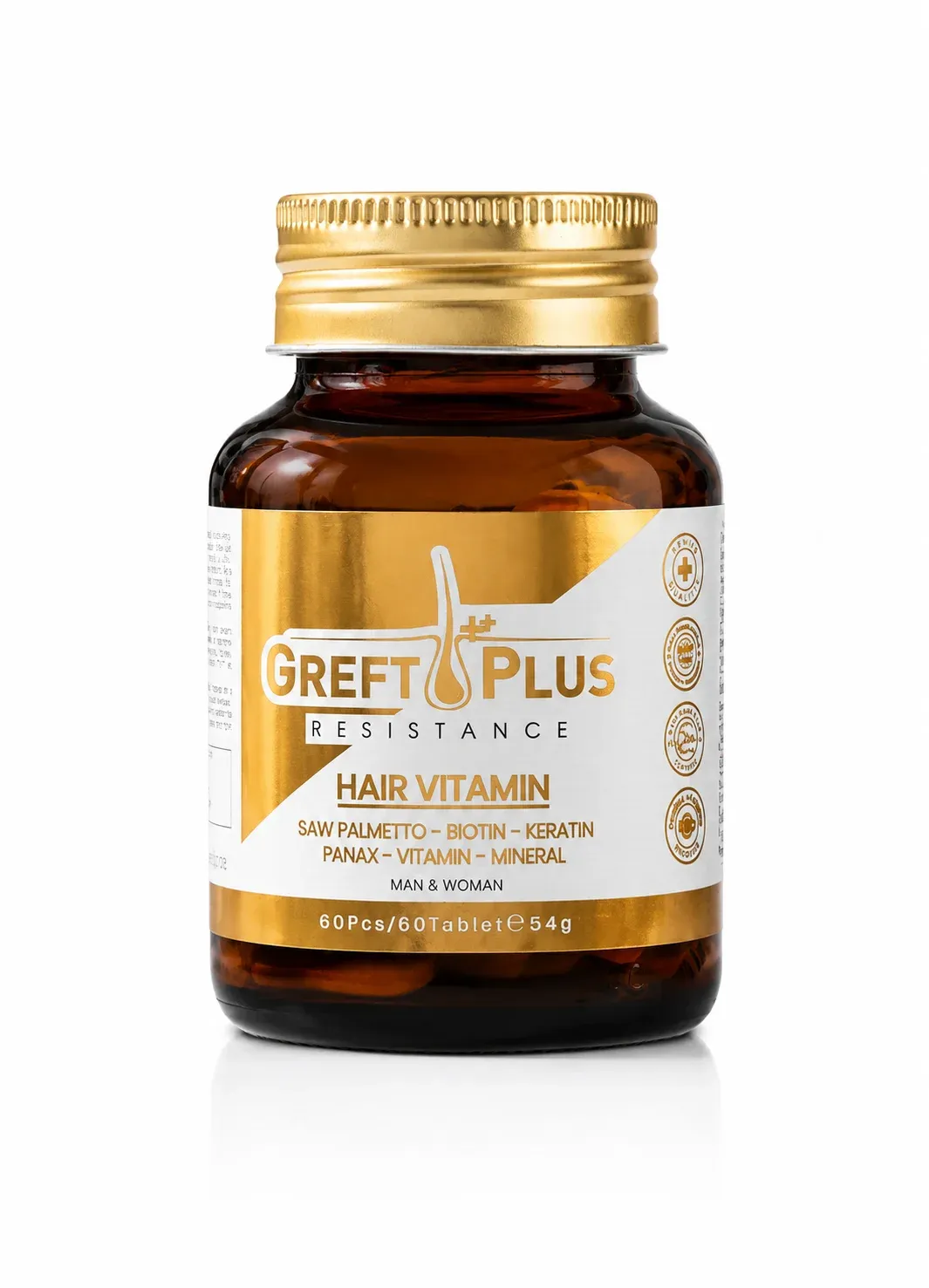
Our Greft Plus Anti-Hair-Loss Shampoo was built for exactly this job, a strengthening cleanse that supports healthier hair and helps reduce loss without stripping the scalp. If you'd rather have the whole routine sorted in one go, the sets pair the shampoo with a serum, spray, and vitamin so the pieces work together instead of fighting each other.
The short version? Pick a shampoo that's kind to your scalp, use it consistently, and stop expecting the bottle to do the work of a whole routine. Consistency beats hype every single time.
Preguntas frecuentes
- Does anti-hair-loss shampoo actually work?
- It works on the scalp and hair shaft, not inside the follicle, so it can't regrow lost hair on its own. A gentle, strengthening shampoo can reduce breakage, calm the scalp, and support the hair you still have when used consistently.
- How often should I wash thinning hair?
- For most thinning or oily hair, three to four gentle washes a week is a good starting point. Over-washing with harsh shampoo can dry the scalp and trigger more oil, while too little leaves build-up that irritates the follicles.
- Should I avoid sulfates if I'm losing hair?
- Harsh sulfates like sodium lauryl sulfate can leave a sensitive or thinning scalp tight and irritated. Milder cleansing agents clean just as well without stripping, which is why many strengthening shampoos use gentler surfactants.
- Can I use a hair loss shampoo after a transplant?
- Not immediately. Your scalp needs a specific gentle routine while it heals. Once your clinic clears you to wash normally, usually after a couple of weeks, a strengthening shampoo can help protect both the grafts and surrounding hair.