Hair Vitamins for Thinning Hair and What Really Helps
Hair vitamins can help when thinning is driven by a real nutrient gap, and they mostly do nothing when it isn't. The nutrients with the strongest link to hair are iron, vitamin D, zinc, biotin (only if you're deficient) and enough protein. A supplement supports healthy hair, it doesn't override genetics or hormones.
That's the part most marketing skips. So let's be straight about what these things do and don't do.
Do hair vitamins actually work for thinning hair?
They work best as a fill for what's missing. Your follicles are metabolically busy little factories, and when they're short on raw materials, hair growth suffers and shedding can pick up. Top up the missing nutrient and things often improve.
But if your thinning comes from androgenetic hair loss (the common hereditary kind) or a hormonal shift, no vitamin will reverse that on its own. It can still play a supporting role by keeping the hair you do have in better condition. Realistic expectations save a lot of disappointment here.
Which vitamins and minerals matter most?
A handful carry most of the weight. Here's the shortlist worth caring about.
- Iron. Low iron (especially low ferritin) is one of the most common nutritional drivers of shedding, particularly in women. Worth getting tested before you supplement.
- Vitamin D. Linked to the hair follicle cycle. Deficiency is common and easy to correct.
- Zinc. Involved in follicle function and repair. A shortfall can show up as shedding.
- Biotin. Genuinely helps if you're deficient, which is rare. If your levels are normal, extra biotin won't do much.
- Protein. Hair is mostly keratin, a protein. Skimpy protein intake shows up in your hair eventually.
We went deeper on the science of each in best vitamins for thinning hair and what the evidence shows, if you want the full breakdown with the nuance.
Should you get tested before taking a hair supplement?
If you can, yes. A simple blood panel checking iron, ferritin, vitamin D and thyroid function tells you far more than guessing. It also flags things a supplement won't fix, like a thyroid issue that needs a doctor's attention.
One thing to know. More is not better. Fat-soluble vitamins like A and D build up in the body, and very high doses can actually cause hair loss rather than help it. A sensible daily formula at normal doses is the safer route than megadosing single nutrients.
How long before you see a difference?
Patience again. Hair grows slowly, and the follicle cycle means you're often looking at three to six months before any change shows. A useful early sign is reduced shedding rather than dramatic new growth. Take a few photos in the same light every month so you're comparing reality, not memory.
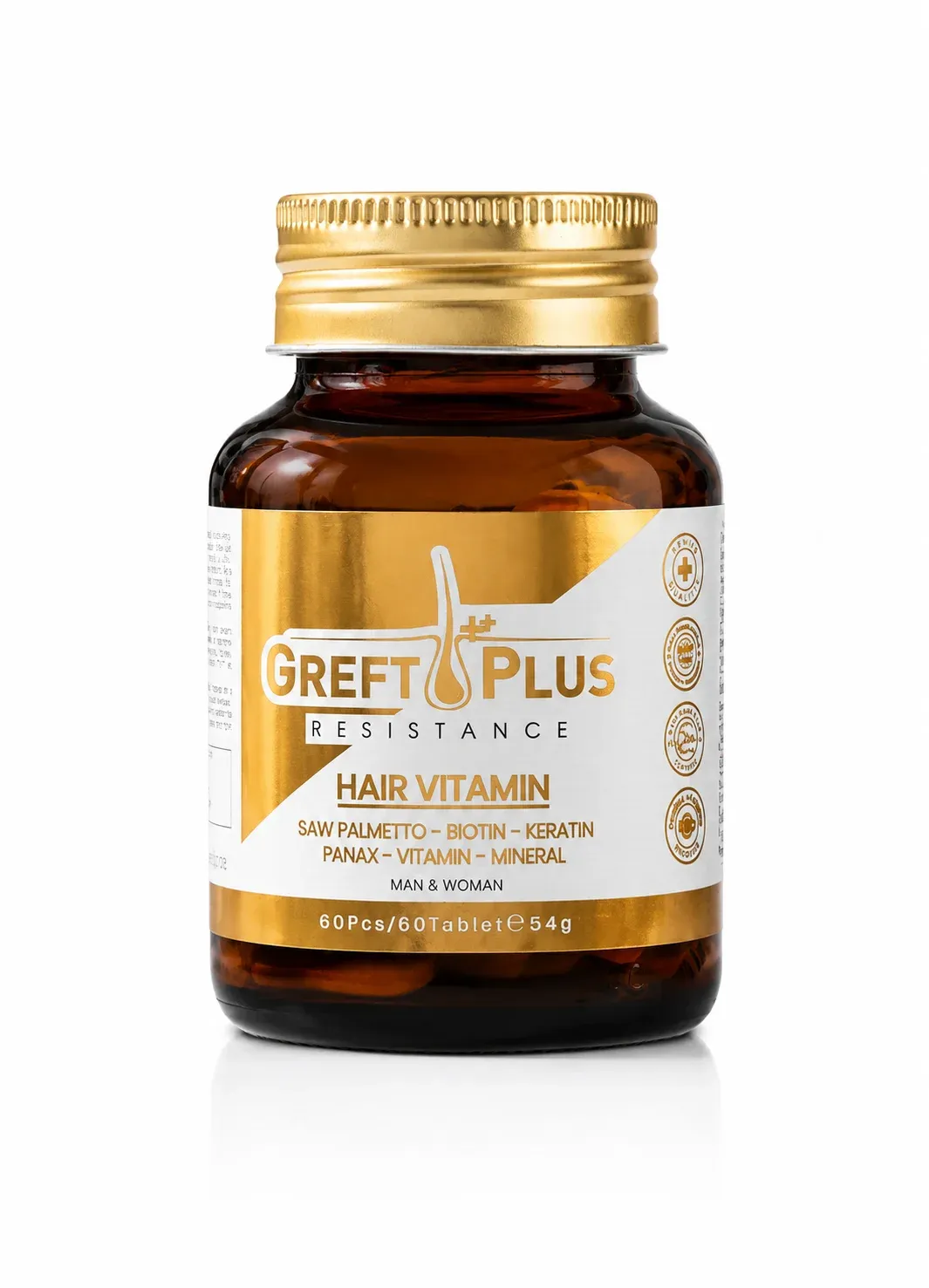
A steady daily supplement makes this easy to stick to. Something like the Greft Plus Vitamin Complex combines vitamins, minerals and herbal extracts in one daily dose, so you're not juggling five bottles and quietly giving up by week three.
Do vitamins replace shampoo, serum and scalp care?
No, and this is where people go wrong. Supplements work from the inside. What's happening on the scalp matters just as much. A healthy scalp, clean follicles and a topical routine all pull in the same direction.
Think of it as two halves of one system. Feed the follicle from within with the right nutrients, and support it from the outside with a proper wash and treatment routine. If you've had a procedure, this pairs naturally with solid post hair transplant care, where nourishment takes over once the grafts have healed.
For an all-in-one approach that covers both angles, a full set gives you the shampoo, serum, spray and supplement together. The 6-month hair care set is built around that longer timeline, which matches how hair actually responds.
Last thing, and I'll say it plainly. These are cosmetics and dietary supplements, not medicines. They support stronger, healthier-looking hair. If your hair loss is sudden, patchy, or worrying you, see a doctor or a trichologist. Getting the cause right is worth more than any supplement.
Frequently Asked Questions
- Do hair vitamins really help with thinning hair?
- They help most when thinning is caused by a nutrient shortfall, such as low iron or vitamin D. For hereditary or hormonal hair loss they play a supporting role at best and won't reverse it on their own.
- Which vitamin is best for thinning hair?
- There isn't a single best one. Iron, vitamin D, zinc, adequate protein, and biotin (only if you're deficient) have the strongest links to hair health. Getting tested helps you focus on what you're actually missing.
- How long do hair vitamins take to work?
- Because of the hair growth cycle, expect three to six months before you notice a change. Reduced shedding usually shows up before visible new growth, so take monthly photos to track progress honestly.
- Can taking too many hair vitamins cause hair loss?
- Yes. High doses of fat-soluble vitamins like A and D can build up and actually trigger hair loss. A balanced daily formula at normal doses is safer than megadosing individual nutrients.