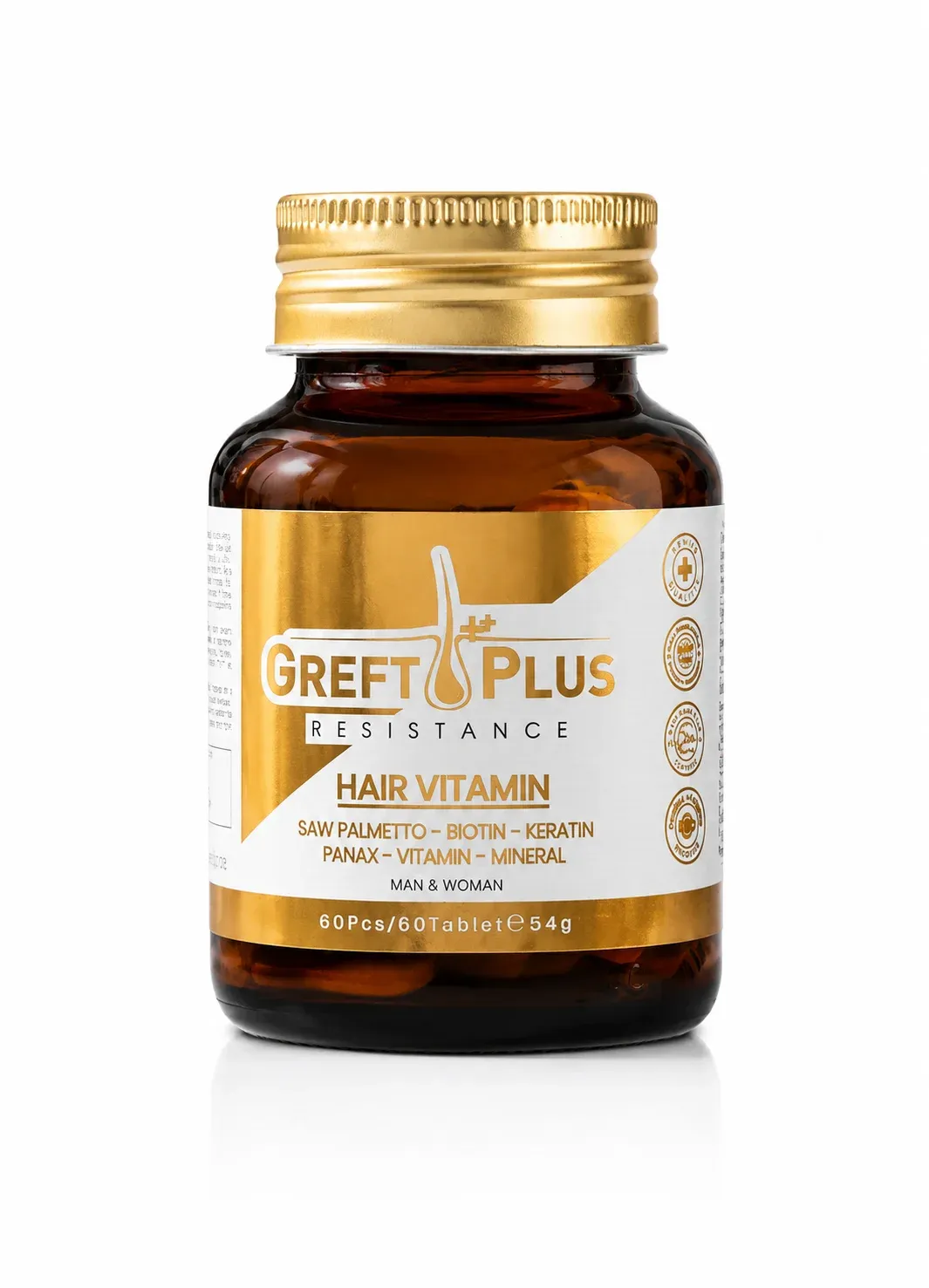
DHT Shampoo and Whether It Really Slows Hair Loss
A DHT shampoo is a cleansing product formulated to keep the scalp healthy and support the appearance of thicker, stronger hair. It can be a useful part of a daily routine, but let's be honest from the start. A shampoo sits on your scalp for a minute or two and then rinses off, so it isn't going to work like a pill that lowers hormone levels throughout your body.
I've had this conversation more times than I can count, usually with someone standing in front of a bathroom mirror worried about a widening part. So let's talk about what these products genuinely do, and where the marketing gets ahead of the science.
What is DHT and why does it matter for hair loss?
DHT stands for dihydrotestosterone. It's a hormone your body makes from testosterone, and in people who are genetically sensitive to it, DHT gradually shrinks hair follicles on the scalp. The follicles don't vanish overnight. They get smaller, the hairs grow finer and shorter, and eventually some stop producing visible hair at all. That's the mechanism behind most male and female pattern hair loss.
Here's the part people miss. Sensitivity to DHT is largely inherited. Two men can have identical hormone levels and only one of them thins. So the goal with any product isn't to "kill" DHT everywhere. It's about keeping the follicles you still have in the best possible shape.
What does a DHT shampoo actually do?
Most shampoos marketed against DHT rely on ingredients like saw palmetto, caffeine, ketoconazole, or various botanical extracts. The claim is that these can interfere with DHT locally at the scalp. There's some early research behind a few of them, ketoconazole in particular, but the evidence is thinner than the packaging suggests.
What a good strengthening shampoo reliably does is this:
- Clears away excess oil, product buildup and flakes that clog the follicle opening
- Calms an itchy or inflamed scalp, which is bad news for hair growth
- Leaves hair feeling thicker and easier to style, so it looks fuller
- Creates a clean base so any serum or treatment you apply afterward absorbs better
None of that is trivial. A clean, calm scalp is genuinely a better environment for hair. But you should think of it as support, not a hormone blocker. If you want a strengthening cleanser to build a routine around, our Greft Plus Anti-Hair-Loss Shampoo is formulated for exactly this job.
Can shampoo alone stop hair loss?
No, and anyone who tells you otherwise is selling something. Pattern hair loss is progressive and driven by biology. A shampoo, no matter how good, can't override that on its own.
What works is layering. Cleanse with a supportive shampoo, then feed the follicles from the inside and outside. That's why most of our sets pair a shampoo with a serum, a spray and a vitamin, rather than betting everything on one bottle. The Greft Plus 3-Month Hair Care Set is built around that idea, giving both transplanted and existing hair a full daily routine to lean on.
What about prescription options?
If your hair loss is clearly progressing, this is the point where I'd nudge you toward a doctor or a hair clinic. Medications such as finasteride and minoxidil are proven to work for many people, and they do things a cosmetic product simply cannot. Cosmetics like shampoos, serums and supplements can sit comfortably alongside them, supporting scalp health and the look of your hair, but they aren't a replacement for medical treatment. Get a real diagnosis first. It changes everything about what you should do next.
How should you use a DHT shampoo for best results?
Consistency beats intensity here. A few pointers I give almost everyone:
- Use it regularly, ideally the way the label suggests, rather than in occasional bursts
- Massage it into the scalp and let it sit for a minute or two before rinsing, so the ingredients get contact time
- Don't scrub aggressively, especially if your scalp is sensitive
- Follow up with a leave-on treatment or serum while your scalp is still your best chance for absorption
- Give it time. Hair grows slowly, and you won't judge anything fairly before three to six months
That last point is the hardest. People give up at week four because nothing changed. Hair cycles just don't move that fast.
The honest bottom line
A DHT shampoo earns its place as a scalp-friendly cleanser and a foundation for the rest of your routine. It supports healthier-looking, stronger-feeling hair and it keeps the follicle environment clean. What it won't do is act like a hormone drug or reverse genetic hair loss by itself.
If you're serious about protecting your hair, pair a quality shampoo with a supplement and a targeted serum, then talk to a clinician about whether medical options make sense for you. And if you want to understand the nutrition side of the equation, it's worth reading our guide on the best vitamins for thinning hair and what the evidence shows.
الأسئلة الشائعة
- Does DHT shampoo really block DHT?
- A shampoo only sits on the scalp briefly before rinsing, so it can't lower DHT throughout your body the way a prescription drug does. Some ingredients may act locally, but the effect is modest. Think of DHT shampoos as scalp support rather than hormone blockers.
- Can a shampoo stop hair loss on its own?
- No. Pattern hair loss is progressive and driven by genetics and hormones, which a cosmetic shampoo can't override alone. A good shampoo keeps the scalp clean and healthy, but lasting results usually need a full routine and, in many cases, medical treatment.
- How long before a DHT shampoo shows results?
- Hair grows slowly, so give any shampoo or routine at least three to six months of consistent use before judging it. Improvements in scalp comfort and the feel of your hair often come first, with visible fullness taking longer.
- Should I see a doctor about my hair loss?
- Yes, especially if your hair loss is clearly progressing. A doctor or hair clinic can diagnose the cause and discuss proven medical options. Cosmetic products like shampoos and supplements can support hair alongside treatment but don't replace it.