Scalp Health and Why It Matters More Than You Think
If you want healthier hair, the scalp is where the work happens. Your scalp is the soil, and the follicles are the roots, so an irritated, flaky or congested scalp makes it harder for hair to grow the way it should. Look after the skin under your hair and the hair itself usually follows.
Most people obsess over the strands, the split ends, the volume, the shine, and forget the surface those strands come from. I did too for years. Then a dermatologist pointed out that half my "thinning" worry was actually an inflamed, product-clogged scalp. Fixing that changed more than any styling trick ever did.
What does a healthy scalp actually look like
A healthy scalp isn't dramatic. It's just calm. No persistent itch, no visible flaking, no tenderness or tightness, and no oily film an hour after washing. The skin tone is even rather than red or blotchy, and hair sits in the follicles without excessive shedding when you run your fingers through.
You won't always notice a good scalp, which is rather the point. You tend to only notice a bad one.
The habits that quietly damage your scalp
Plenty of everyday things chip away at scalp health without you connecting the dots. A few of the usual suspects:
- Washing with water that's too hot, which strips the skin's natural oils
- Harsh sulphate-heavy shampoos used daily on a dry scalp
- Skipping washes for so long that oil and dead skin build up around follicles
- Tight hairstyles that pull constantly at the roots
- Scratching an itch instead of treating the cause
- Heavy leave-in products that never fully rinse out
None of these ruin your scalp overnight. It's the repetition that matters. Small daily insults add up, and the scalp is skin, so it responds to how you treat it just like the skin on your face.
Why scalp health matters even more after a transplant
After a hair transplant, the scalp is healing from hundreds of tiny wounds. It's sensitive, sometimes flaky, and prone to irritation. Keeping it moisturised and calm during this window directly supports the follicles that are trying to establish themselves.
This is where a soothing product earns its place. A gentle scalp cream such as the Greft Plus Hair Repair Cream helps ease irritation and keep the skin comfortable while it recovers, without heavy fragrances or anything harsh sitting on freshly treated skin. It's a small step that makes the healing weeks a lot more bearable.
If you want the fuller picture of how recovery unfolds over time, our companion guide on the hair growth timeline after a transplant lines up nicely with this.
A simple routine for a healthier scalp
You don't need a ten-step regimen. Consistency beats complexity here. A workable approach looks something like this:
- Wash with lukewarm water, never hot, using a gentle strengthening shampoo
- Massage the shampoo in with your fingertips, not your nails, for a minute or so to lift buildup and support circulation
- Rinse thoroughly so no residue lingers around the follicles
- Pat dry rather than rubbing aggressively with a towel
- Keep leave-in products light and scalp-appropriate
That fingertip massage is underrated. It feels good, it helps clear buildup, and a minute a day costs you nothing.
Does what you eat affect your scalp
It does. The scalp is living skin, and it draws on the same nutrients as the rest of you. Deficiencies in iron, zinc, vitamin D and certain B vitamins can show up as a struggling scalp and weaker hair. A balanced diet does most of the heavy lifting, and a targeted supplement can help fill gaps, though it's not a substitute for real food or a proper diagnosis.
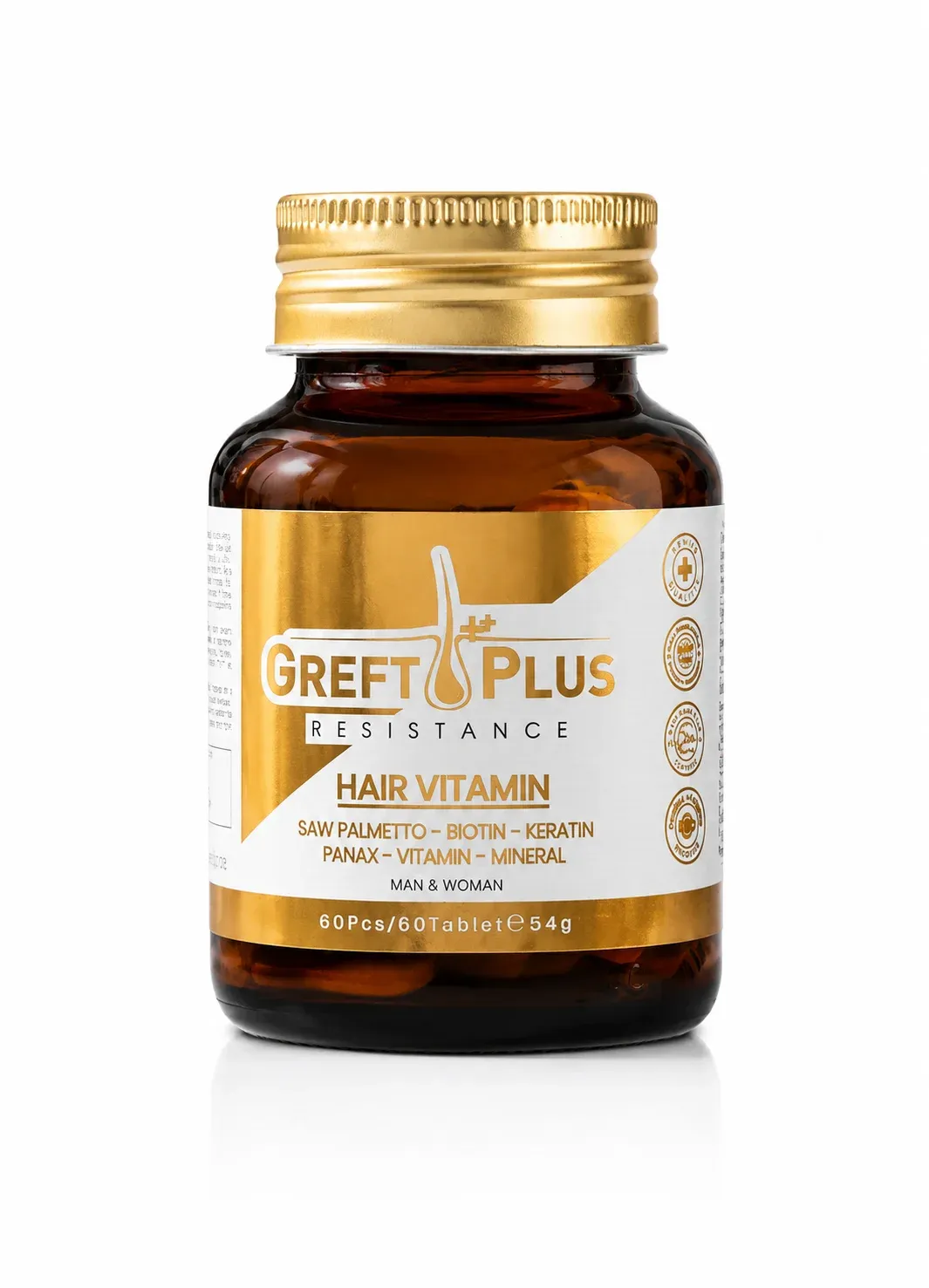
If you're considering a supplement, the Greft Plus Vitamin Complex combines vitamins, minerals and herbal extracts to support stronger, fuller-looking hair from the inside. Pair it with a calm scalp on the outside and you're covering both ends of the equation. For a deeper look at which nutrients are actually worth it, our article on biotin and other hair vitamins breaks down the evidence.
When to see a professional
Some scalp issues need more than a routine tweak. Persistent flaking, painful spots, sudden heavy shedding, or patchy loss are worth showing to a dermatologist or your transplant clinic. Conditions like seborrhoeic dermatitis or fungal problems respond best to proper treatment, not guesswork or another shampoo off the shelf.
Here's the thing to hold onto. Great hair days start well below the surface. Treat your scalp like the skin it is, keep it clean, calm and fed, and you give every follicle its best shot, transplanted or not.
Sıkça Sorulan Sorular
- How do I know if my scalp is healthy?
- A healthy scalp is calm and even toned, with no persistent itch, flaking, tenderness or excess oil soon after washing. If you rarely notice your scalp, that's usually a good sign.
- Can an unhealthy scalp cause hair loss?
- A congested, inflamed or irritated scalp can make it harder for hair to grow well and may worsen shedding. Treating the underlying scalp issue often improves hair condition, though persistent loss needs a professional assessment.
- How should I care for my scalp after a hair transplant?
- Keep it clean, moisturised and calm using gentle, lukewarm washing and a soothing scalp cream if recommended. Avoid harsh products, scratching and tight styling while the skin heals.
- Does diet affect scalp and hair health?
- Yes. The scalp is living skin and relies on nutrients like iron, zinc, vitamin D and B vitamins. A balanced diet does most of the work, and a targeted supplement can help fill gaps, but it isn't a substitute for medical advice.