Post Hair Transplant Care That Actually Protects Your Grafts
Good post hair transplant care mostly comes down to being gentle, keeping the area clean, and not panicking when hairs start falling out. The grafts are fragile for the first week or so, then they settle in. Do the basics well and you give those follicles their best shot.
I've talked to enough people in the weeks after their procedure to know the pattern. The surgery itself feels like the hard part. Then you get home, the anaesthetic wears off, and you're staring at your scalp wondering if you're allowed to touch it. Short answer, not yet. Longer answer below.
What happens to your scalp in the first two weeks?
Right after the procedure you'll have tiny incisions in both the recipient area (where the new hairs went) and the donor area (usually the back of the head). There's some crusting, maybe a bit of swelling around the forehead by day two or three. That's normal.
The grafts aren't properly anchored yet. For roughly the first 7 to 10 days they can be dislodged by friction, scratching, or a careless towel. After that they're much more secure. This is exactly why clinics are so strict about the early routine.
Here's the part that catches people off guard. Around week two to four, the transplanted hairs shed. This is called shock loss and it's supposed to happen. The follicle stays put, the hair shaft falls. New growth comes later. If you want the full picture of what comes next, our month by month hair growth timeline after a transplant walks through it.
How do you wash your hair after a transplant without damaging it?
Washing feels terrifying at first. It shouldn't. Gentle washing actually helps by clearing crusts and keeping the follicles clean. What you avoid is pressure and rubbing.
- Wait for the day your clinic told you to start, usually around day 2 or 3.
- Soften any crusts first with a lotion or foam, left on for the time your clinic recommends.
- Rinse with lukewarm water poured gently, never a hard shower jet aimed at the grafts.
- Use a mild, sulfate-free cleanser and dab the lather on with your fingertips. No scrubbing.
- Pat dry with a clean towel or let it air dry. Don't rub.
A dedicated post transplant washing kit takes the guesswork out of this because it's built to hold moisture in the transplanted and donor areas while calming irritated skin. If you want the full step-by-step, we broke it right down in how to wash your hair day by day after a transplant.
What should you avoid after a hair transplant?
A few things quietly undermine an otherwise good recovery. Keep this list somewhere you'll see it.
- Scratching or picking crusts. They itch like mad around day four or five. Resist. Picking pulls grafts.
- Direct sun. Fresh scalp burns easily and sun slows healing. Wear a loose hat once your clinic clears it.
- Heavy sweating. Skip the gym, sauna and strenuous workouts for the first couple of weeks.
- Alcohol and smoking. Both mess with blood flow and healing. Ease off if you can.
- Sleeping flat. Prop yourself up with pillows for the first few nights to reduce swelling and keep pressure off the grafts.
None of this is forever. Most people are back to normal life within two to three weeks, with just a bit of ongoing care to support the new growth.
When can you touch, style and cut your hair again?
Give it time. Rough handling comes off the table for the first couple of weeks. After about two weeks the grafts are secure enough for gentle normal washing. Styling products, wait until your scalp is fully calm, usually around the one month mark. Scissors on the transplanted area are fine after a month or so, but hold off on clippers over the recipient zone for a few months and check with your clinic first.
How do you support the new hair once it starts growing?
Once you're past the fragile stage, the game shifts from protection to nourishment. The follicles are settling in, and this is where a consistent routine pays off over months, not days.
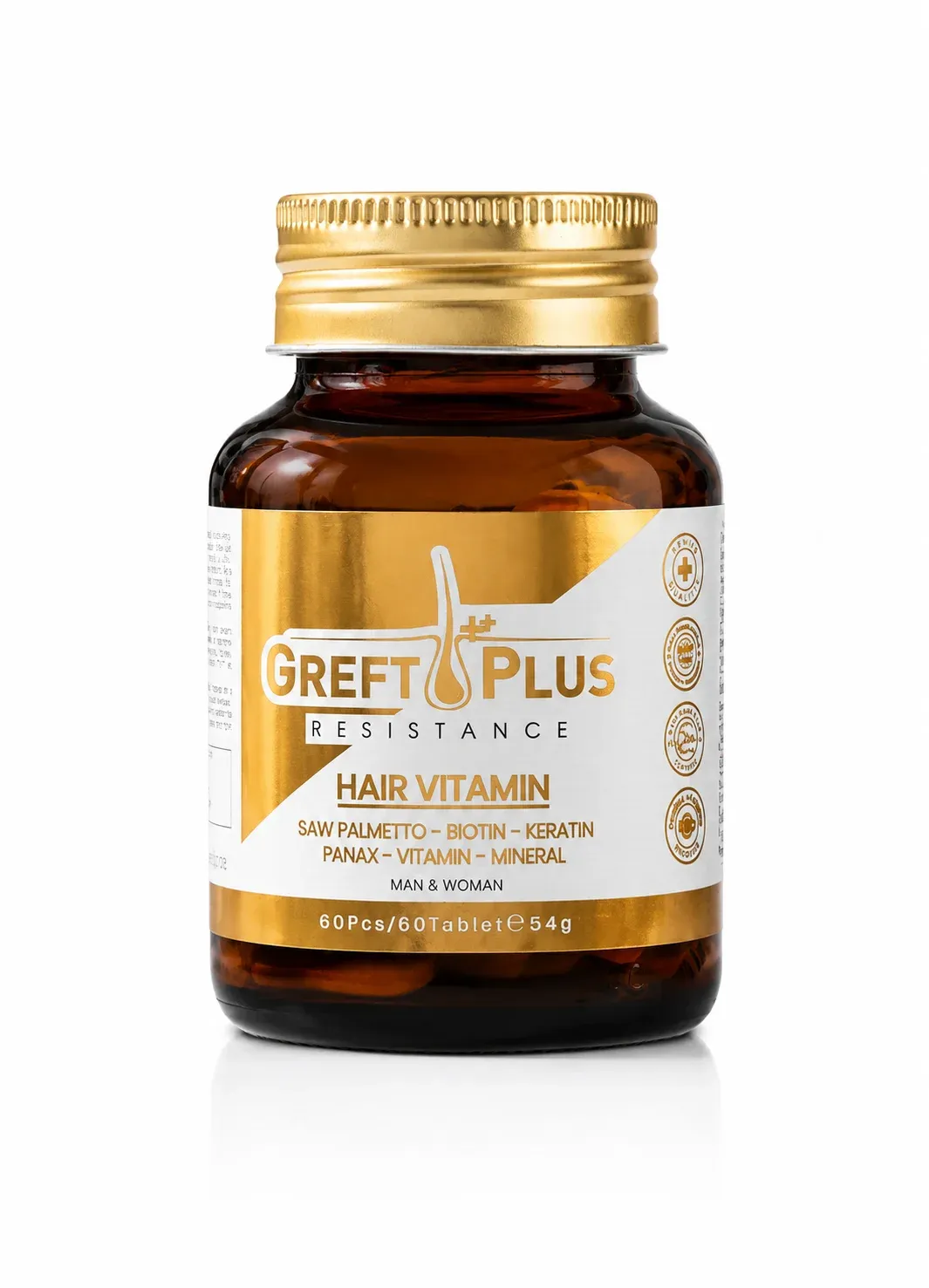
A calmer, well-moisturised scalp is a better home for growing hair, which is why something like a scalp repair cream earns its place during the healing weeks. After that, a full routine built for transplanted and existing hair, think a strengthening shampoo, a serum and a supplement working together, gives you a repeatable system. The 3-month hair care set was put together for exactly this stage.
One honest caveat. These are cosmetic and supplement products. They support the conditions for healthy hair, they don't replace your surgeon's instructions. If anything looks infected, unusually painful, or just off, call your clinic. That's not being dramatic, that's being sensible.
The people who get the best results a year later are rarely the ones who did something clever. They're the ones who were patient, gentle, and consistent when it was boring to be.
Sıkça Sorulan Sorular
- When can I wash my hair after a hair transplant?
- Most clinics have you start gentle washing around day 2 or 3, softening crusts first and using lukewarm water poured gently rather than a shower jet. Always follow your own clinic's timing, as it can vary.
- Is it normal for transplanted hair to fall out?
- Yes. Around weeks two to four the transplanted hairs shed in what's called shock loss. The follicle stays in place and new hair grows from it later, so this stage is expected, not a sign of failure.
- How long are hair transplant grafts fragile?
- Grafts are most vulnerable for roughly the first 7 to 10 days, when friction or scratching can dislodge them. After about two weeks they're securely anchored and normal gentle washing is fine.
- What should I avoid after a hair transplant?
- Avoid scratching crusts, direct sun, heavy sweating and workouts, alcohol and smoking, and sleeping flat for the first couple of weeks. These all interfere with healing or risk dislodging grafts.