Crown Hair Loss and How to Slow Thinning at the Vertex
Crown hair loss, the kind that shows up as thinning at the vertex (that swirl at the back top of your head), is often the last thing you notice and the first thing everyone else does. The short version is that you can't fully reverse it with cosmetics, but you can slow the thinning, support the hair you still have, and make the area look denser with the right daily routine.
I've lost count of how many people tell me they only found out when a friend snapped a photo from behind. The crown is a blind spot. Literally. And because the hair there grows in a spiral, thinning reads as scalp show-through much faster than it would on the front.
Why does the crown thin before the rest of the scalp?
Blame biology, mostly. The vertex is one of the areas most sensitive to DHT (dihydrotestosterone), a hormone that gradually shrinks certain hair follicles over years. As those follicles miniaturise, each new hair grows a little finer and shorter than the one before it. Eventually some stop producing altogether.
That's why male-pattern loss so often starts as two fronts. The hairline creeps back, and the crown opens up like a coin. They can meet in the middle if nothing changes.
Genetics set the pace. But stress, crash dieting, low iron or vitamin D, and rough handling of the hair can all speed things along. The follicles at the crown are simply less forgiving when conditions aren't ideal.
How do you know it's the crown and not just a cowlick?
Get someone to take two photos in good daylight, roughly a month apart, from directly above and behind. Compare them. A cowlick looks the same over time. Genuine thinning shows more scalp, finer hairs, and a wider gap in the swirl.
Other signs worth watching:
- You can see scalp through the crown under bright lighting when you couldn't a year ago
- Hairs in that patch feel noticeably softer and shorter than the sides
- The area feels like it never quite "fills in" after a haircut
If you're seeing sudden, patchy, or itchy loss rather than a slow spiral, that's a different story. See a dermatologist or trichologist before you start experimenting.
Can you actually slow crown thinning?
You can influence it, yes, though how much depends on how early you start and how consistent you are. The crown responds slowly because the hair cycle there is long, so you're playing a game measured in months, not weeks.
Three things move the needle most:
- Reducing DHT's grip on the follicle. This is where clinically studied medical treatments (like those a doctor prescribes) do the heavy lifting, and where botanical DHT-supporting ingredients in cosmetic products can play a complementary role.
- Feeding the follicle. A hair root can't build a thick strand out of nothing. Iron, vitamin D, zinc, biotin and protein all matter. Our companion piece on the best vitamins for thinning hair and what the evidence shows breaks down which ones are genuinely worth your money.
- Improving what reaches the scalp. Massage, targeted serums and good scalp hygiene help active ingredients actually make contact rather than sitting on top of buildup.
The crown-focused routine I'd actually recommend
Because the vertex is so localised, blanket products aren't always enough. You want something you can work directly into that specific patch.
- Wash with a supportive shampoo. A gentle, scalp-friendly formula clears sebum and buildup so nothing blocks the follicle. Our Greft Plus Anti-Hair Loss Shampoo is built around exactly this daily-care job.
- Target the crown directly. The Greft Plus 10-Month Meso Serum Set was developed specifically for fine hair and the vertex area. You massage it into the crown, which is precisely the spot most products struggle to reach.
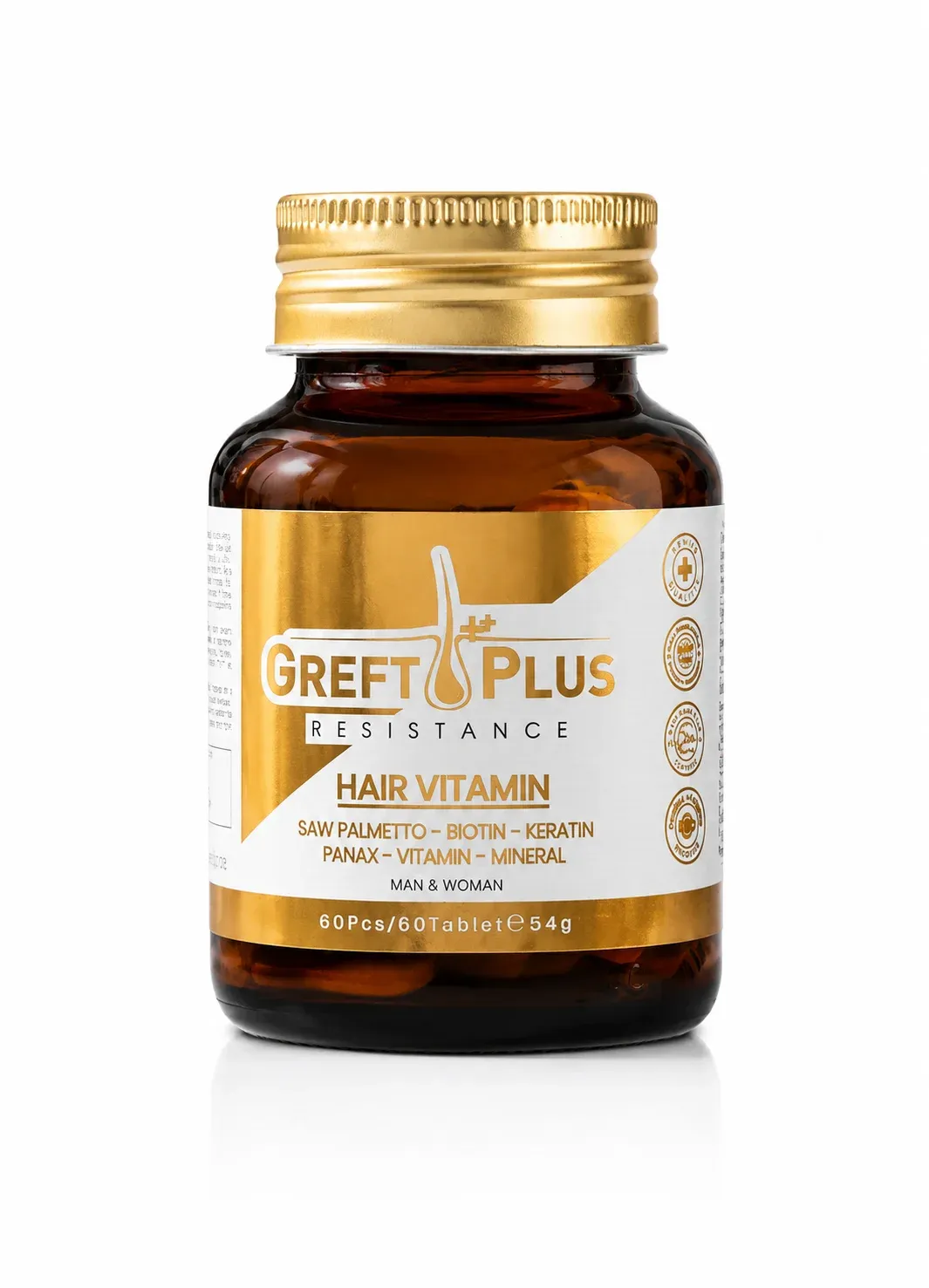
- Support from the inside. A daily hair vitamin gives the follicle the raw materials it needs. Think of it as the boring, unglamorous half of the job that quietly makes the topical half work better.
Massage matters more than people think. Thirty seconds of firm circular pressure over the crown when you apply your serum helps the product spread and supports the scalp's natural micro-circulation. It costs nothing and I've seen people skip it, then wonder why results feel slow.
How long before you see a difference?
Be patient with the crown. Existing hairs won't thicken overnight, and any finer regrowth takes a full cycle to show up. Most people who stay consistent start noticing the area looks less "see-through" somewhere around the three to four month mark, with more obvious change by six.
Take those overhead photos monthly. Memory is a terrible judge of slow change, and the camera keeps you honest on the days you're tempted to quit.
When to bring in a professional
If the crown is already quite bare, cosmetics alone won't rebuild what's gone. That's when a consultation about medical treatment, or a transplant, becomes the honest conversation to have. Even then, a good aftercare routine protects the result. Nobody wants new grafts sitting in a neglected scalp.
Cosmetic care supports and maintains. It doesn't cure genetic hair loss, and any brand that promises otherwise is selling you a story. Start early, stay consistent, and give the crown the direct attention it needs.
Sıkça Sorulan Sorular
- Why is my hair thinning at the crown but not the front?
- The crown, or vertex, is one of the areas most sensitive to DHT, the hormone that gradually shrinks follicles. That's why it often thins before or independently of the hairline. Genetics largely set the pattern and pace.
- Can crown hair loss be reversed with shampoo or serum?
- Cosmetic products can support the hair you still have and help the area look denser, but they can't regrow genetically lost hair. For actual regrowth of bare areas, speak to a dermatologist about medical options.
- How do I check if my crown is thinning?
- Have someone take overhead photos in daylight about a month apart and compare them. Real thinning shows more visible scalp, finer hairs and a wider gap in the swirl, while a cowlick stays the same over time.
- Does scalp massage help crown thinning?
- Gentle firm massage over the crown helps spread topical products and supports the scalp's natural micro-circulation. It won't fix hair loss alone, but it makes targeted serums easier to apply where you need them.