Biotin and Other Hair Vitamins That Are Worth Taking
Here's the truth nobody selling supplements wants to say out loud. Taking biotin for hair only helps if you're genuinely deficient in it, and most people aren't. What actually moves the needle is fixing the nutrient gaps you really have, and giving your hair the raw materials it needs to grow well. That's a less exciting sentence, but it's the honest one.
I've watched people down high-dose biotin gummies for months, frustrated that nothing changed, when their real issue was low iron or a thyroid problem the biotin was actually masking on blood tests. So let's sort out what these vitamins really do.
What does biotin actually do for hair?
Biotin (vitamin B7) helps your body produce keratin, the protein your hair is mostly made of. A real deficiency can cause thinning and brittle strands. Correct that deficiency and hair usually improves.
But if your biotin levels are already normal, extra biotin doesn't push growth higher. Your body uses what it needs and clears the rest. So the supplement isn't magic, it's insurance against a shortfall.
One practical warning. High-dose biotin can interfere with certain lab tests, including thyroid and heart markers. Tell your doctor if you're taking it before any blood work.
Which vitamins genuinely support hair growth?
Hair is one of the first things your body sacrifices when nutrients run short, because it isn't essential for survival. Keep these topped up and you remove a common reason for shedding.
- Iron. Low iron, especially low ferritin, is one of the most common causes of thinning, particularly in women. Worth testing before supplementing, since too much iron is harmful.
- Vitamin D. Linked to the follicle growth cycle. Deficiency is extremely common, especially in darker months and indoor lifestyles.
- Zinc. Involved in tissue repair and follicle function. A shortfall shows up as shedding.
- B vitamins. Including biotin and B12, they support the energy and protein processes behind healthy growth.
- Protein and amino acids. Not a vitamin, but hair is protein. Skimp on it and growth quality drops.
We went deeper into the research on all of these in our evidence-based guide to the best vitamins for thinning hair, if you want the science with citations rather than the summary.
Do hair vitamin supplements work if I eat well?
If your diet is genuinely varied and your blood tests are clean, a supplement probably won't transform anything. It fills gaps, it doesn't stack benefits on top of an already-full tank.
The catch is that a lot of people think they eat well and still run low on iron, D, or zinc. Stress, restrictive diets, heavy periods, and gut issues all chip away at your levels. A daily hair supplement is a reasonable safety net, and it's low-risk when taken sensibly.
How long before you see a difference?
Patience is the hard part. Hair grows slowly, roughly a centimetre a month, and the follicle needs months of good nutrition before that shows up as visible improvement. Give any supplement at least three to six months of consistent daily use before judging it.
Take it with food to be kind to your stomach, keep it in a spot you'll see every morning, and don't double up on doses thinking you'll speed things along. You won't.
Putting the inside-out approach together
Vitamins work from the inside. A good shampoo, serum, and spray work from the outside. Neither side does the whole job alone, which is the same point I made in our guide to choosing a shampoo for hair loss. Feed the follicle and protect the scalp, and you give your hair its best shot.
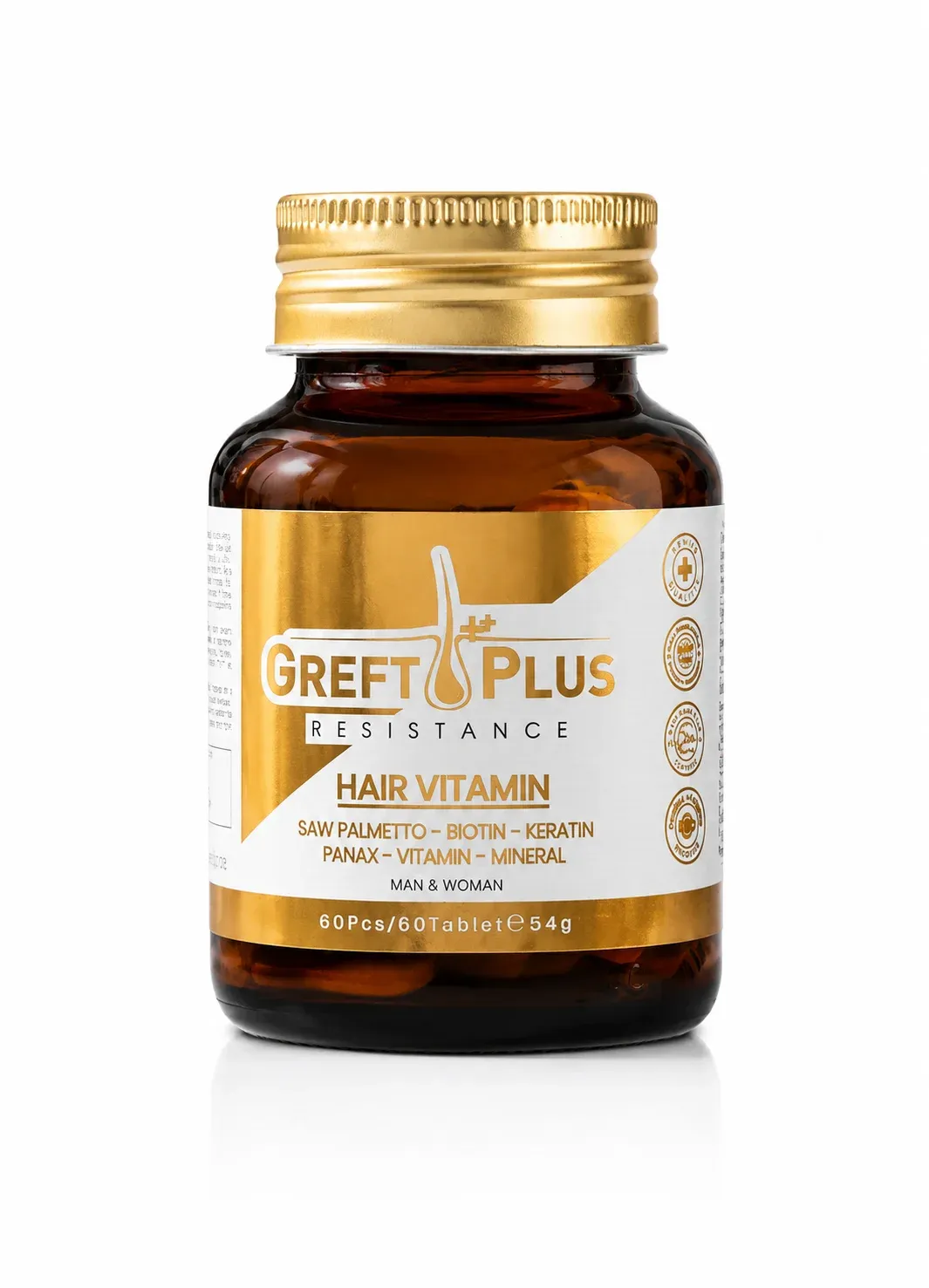
Our Greft Plus Hair Vitamin is a daily supplement built around exactly these nutrients, with vitamins, minerals, and herbal extracts to support stronger, fuller-looking hair. If you'd rather run the internal and topical support side by side, the Greft Plus 3-Month Hair Care Set pairs the vitamin with a strengthening shampoo, serum, and spray so the routine covers both angles from day one.
One last thing. Supplements support, they don't cure. If your hair loss is sudden, patchy, or worrying you, get bloods done and talk to a doctor before you spend money guessing.
Частые вопросы
- Does biotin really help hair grow?
- Biotin helps your body make keratin, so it improves hair if you're genuinely deficient. If your biotin levels are already normal, taking more won't push growth higher, since your body simply clears the excess.
- What is the best vitamin for thinning hair?
- There isn't one single best vitamin. The ones most commonly linked to thinning are iron, vitamin D, zinc, and the B vitamins. Correcting a real deficiency in any of these tends to help more than piling on biotin alone.
- How long do hair vitamins take to work?
- Hair grows slowly, so give any supplement three to six months of consistent daily use before judging it. Improvements show up gradually as newly nourished hair grows in, not within a few weeks.
- Can I take a hair vitamin if I already eat a healthy diet?
- You can, though the benefit is smaller if your levels are already good, since supplements fill gaps rather than stack extra benefit. Many people still run low on iron, D, or zinc despite eating well, so a daily vitamin is a reasonable low-risk safety net.