Best Vitamins for Thinning Hair and What the Evidence Shows
If you're searching for the best vitamins for thinning hair, the honest answer is that they work best when your hair is thinning because you're short of something in the first place. Correcting a genuine deficiency in iron, vitamin D, zinc, or B vitamins can support noticeably healthier hair. Piling on mega-doses when your levels are already fine won't grow a thicker head of hair, and in some cases it can backfire.
I say this because the supplement aisle loves to promise the world. Let's separate what the research actually supports from the wishful thinking.
Which vitamins actually matter for hair?
Hair is a fast-growing tissue, so it's sensitive to gaps in your nutrition. These are the nutrients with the strongest links to hair health.
- Iron. Low iron (specifically low ferritin) is one of the most common threads in women with diffuse thinning. Restoring it can support regrowth. Get tested before supplementing, because too much iron is harmful.
- Vitamin D. Receptors for vitamin D sit right in the hair follicle. Low levels are associated with several types of shedding, and topping up a deficiency may help.
- Zinc. Involved in the follicle's growth and repair cycle. Deficiency can cause hair loss, and correcting it can reverse that specific cause.
- Biotin (B7). Hugely marketed, genuinely useful only if you're deficient, which is rare. If you are short of it, biotin can support stronger hair and nails.
- B12 and folate. Needed for the cell division that builds new hair. Vegetarians and vegans should keep an eye on B12.
Notice the pattern. Every one of these helps most when you were lacking it. That's the part supplement ads quietly skip.
What about biotin, does it really work?
Biotin gets its own section because it's the poster child of hair supplements. Here's the balanced truth. Actual biotin deficiency is uncommon in people eating a normal diet, and when it exists, supplementing clearly helps hair and nails. For everyone else, the evidence that extra biotin thickens already-healthy hair is thin.
One practical warning worth knowing. High-dose biotin can interfere with certain lab tests, including some thyroid and heart blood tests. If you're having bloodwork done, tell your doctor you take it.
Do hair vitamins actually work then?
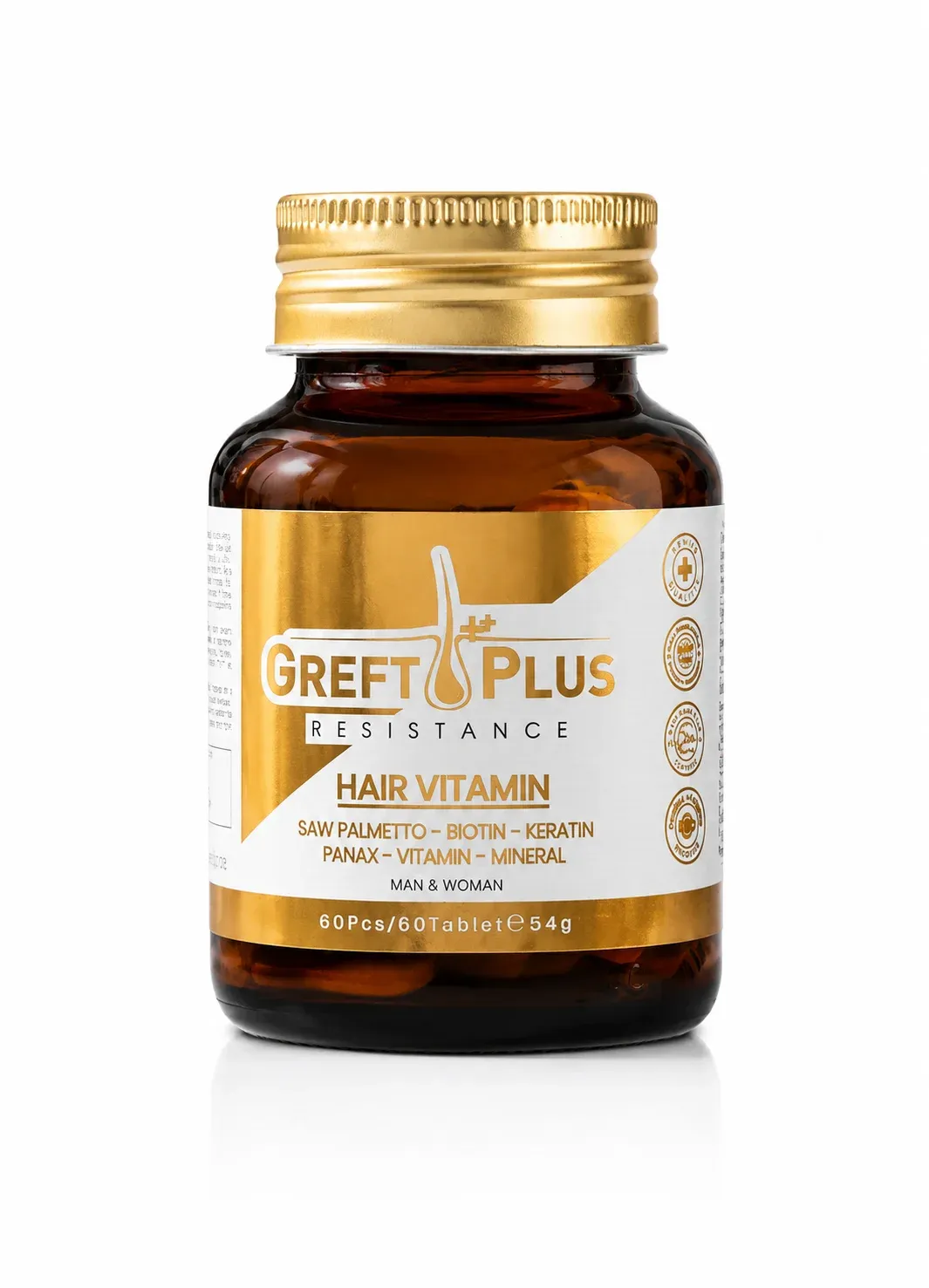
A well-formulated complex can support hair when it combines the nutrients above at sensible doses, rather than one hero ingredient at a silly dose. That's the thinking behind a balanced product like the Greft Plus Vitamin Complex, which pairs vitamins and minerals with herbal extracts to help cover the basics your follicles rely on.
Supplements are exactly that though. A support, not a cure. If you have significant or sudden hair loss, a blood test and a chat with a doctor or trichologist will tell you far more than any bottle. Deficiencies, thyroid issues, and hormonal shifts all show up in your hair, and each needs its own approach.
Do topical products help as well as vitamins?
Feeding follicles from the inside is only half the picture. What you put on your scalp matters too. A gentle shampoo that reduces the harsh stripping many daily cleansers cause can help hair stay on your head longer, and serums or sprays aim to support the follicle environment directly.
For people who want a joined-up approach, a set that brings the pieces together tends to be easier to stick with. The Greft Plus 3-Month Hair Care Set combines a strengthening shampoo, a vitamin complex serum, a hair vitamin, and a strengthening spray, which is handy if you're recovering from a transplant or dealing with heavier shedding and want everything in one routine.
How long before you see a difference?
Patience, again. Hair grows slowly, roughly a centimetre a month, and the follicle cycle means you're often looking at three to six months before real change shows. Anyone promising results in two weeks is selling you something.
Track it sensibly. Take a photo in the same light every month, watch how much comes out on the pillow and in the shower drain, and give any routine a fair run before you judge it.
A quick word on transplants and vitamins
If you've had a procedure, good nutrition supports the healing follicles as they settle in. The washing and recovery side has its own rules though, and it's worth reading how to wash your hair properly in the weeks after a transplant so all that new growth gets the start it deserves.
Bottom line, get tested, fix what's actually low, eat properly, be gentle with your scalp, and treat supplements as backup rather than magic. That combination is what genuinely supports fuller-looking hair over time.
Veelgestelde vragen
- What is the best vitamin for thinning hair?
- There's no single best vitamin. Iron, vitamin D, zinc and B vitamins matter most, and they help most when you're actually deficient. A blood test is the smartest first step before choosing a supplement.
- Does biotin really thicken hair?
- Biotin clearly helps if you're genuinely deficient, which is uncommon. For people with normal biotin levels, there's little evidence that extra biotin thickens already-healthy hair.
- How long do hair vitamins take to work?
- Because hair grows slowly and follicles cycle, most people need three to six months of consistent use before seeing a noticeable difference. Monthly progress photos help you judge fairly.
- Can hair vitamins replace seeing a doctor?
- No. Supplements support healthy hair but don't treat medical causes of hair loss. Sudden or significant shedding should be checked by a doctor or trichologist, ideally with a blood test.